Brudet: the fish stew with the scent of the Adriatic
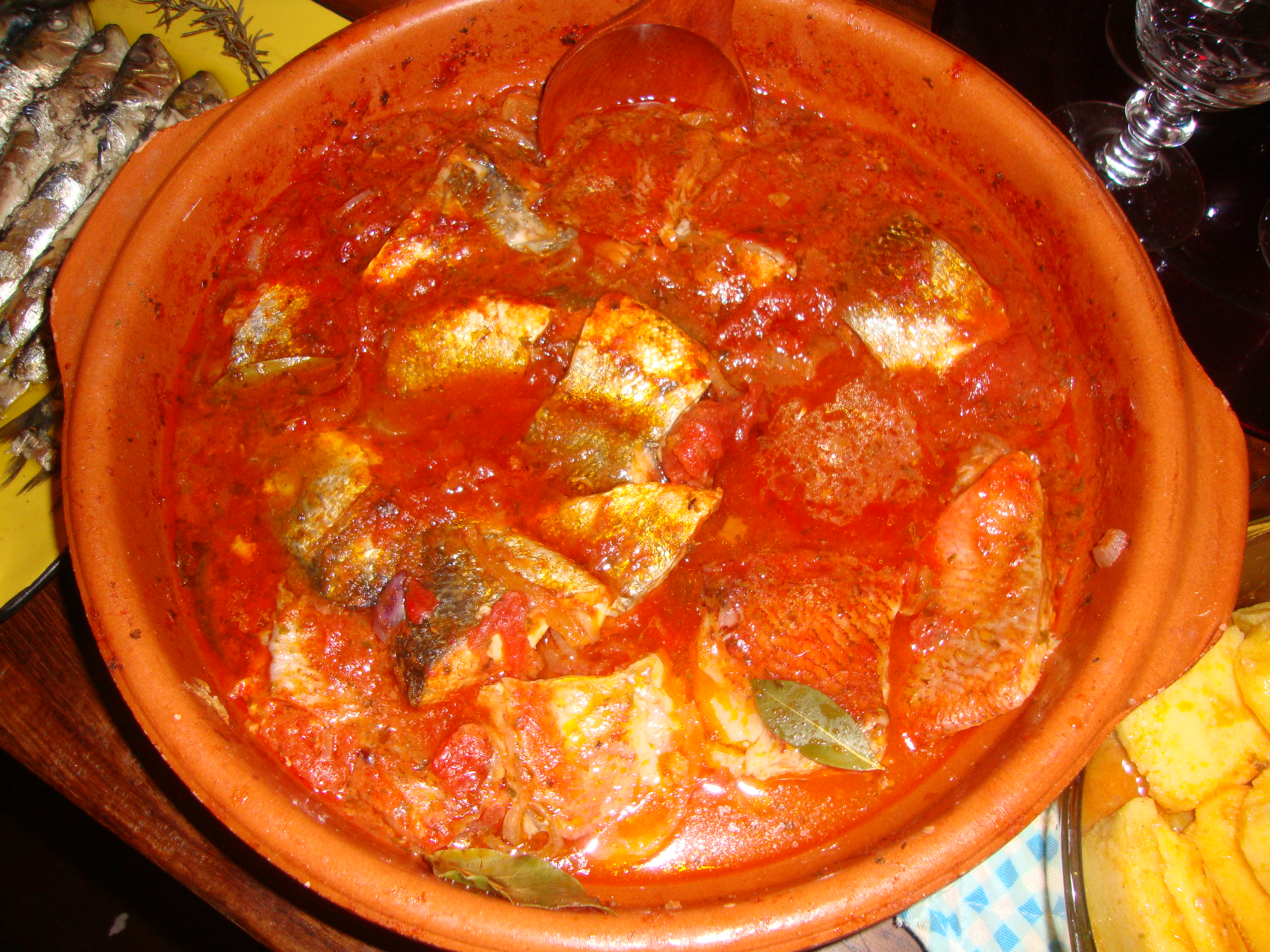
If you ask a fisherman what to do with fish too small to sell, too large for the grill or simply "mixed" — different species caught in the same net — the answer is always the same: brudet. This thick, fragrant fish pot, in which pieces of various fish simmer slowly in a sauce of onion, tomato and wine, is the most honest dish of Adriatic cuisine. It was born on the fishing boats and in the modest kitchens by the sea, from whatever the sea gave that day, and over time it became one of the most prized dishes of the whole coast.
Brudet (or brodet, as it is called in the northern regions) is made from Istria and Kvarner to the southernmost Dalmatia, and every town, island and family has its own version and its own unwritten rules. They have one thing in common: brudet is cooked in a single pot, served with polenta that soaks up the precious sauce, and eaten slowly, in company, with bread, wine and a story. In this recipe we present a classic Dalmatian brudet of mixed fish.
 Brudet, the Adriatic fish pot. Photo: Wikimedia Commons (source file)
A dish of the whole Adriatic
Brudet is part of the great Adriatic family of fish pots — related dishes under similar names are made all along the Italian coast, and on Corfu too, where the Venetians brought it. The name itself comes from the Venetian word for soup, recalling the centuries in which the Adriatic was a single culinary space.
In Croatia brudet has put down the deepest roots: it is made in Istria, on Kvarner, in Dalmatia and on the islands, and each region has its variants — from the eel-and-frog brudet of the Neretva valley, through the Vis lobster brudet, to the classic of mixed white and oily fish. The essence is always the same: fresh fish, simple ingredients, one pot and a lot of patience.
The unwritten rules of brudet
Around brudet there is a whole code of unwritten rules passed down through generations. First and most important: brudet is not stirred with a spoon — the pot is only shaken, so the pieces of fish do not fall apart. Second: the more species of fish, the better the brudet; mixing white and oily fish, cephalopods and shellfish gives a depth of flavour that a single species cannot.
The third rule says that the best brudet is made from "rough" fish — scorpionfish, conger eel, monkfish and other species full of bones and gelatine, which give the sauce thickness and richness. And the fourth, perhaps the most important: brudet must rest. Like all pot dishes, it is best when it "sleeps overnight" — the next day it is even fuller and more rounded.
Which fish to choose
For a good brudet choose the freshest fish you can find, preferably several species. The classic choice is scorpionfish, monkfish, conger eel, John Dory or red mullet, and squid, cuttlefish or prawns do excellently too, plus a handful of mussels for the end. Oily fish (horse mackerel, mackerel) adds a stronger note that many love.
Have the fishmonger clean the fish for you, and cut the larger pieces into steaks two to three fingers thick — big enough not to fall apart. Heads and tails are not thrown away: from them you can cook a quick stock with which to top up the brudet instead of water, for an even fuller flavour.
Ingredients
For 4–6 people:
- 1.5 kg mixed fresh fish (scorpionfish, monkfish, conger eel, red mullet…), cleaned and cut
- 300 g squid or cuttlefish, cut into rings (optional)
- 300 g mussels, cleaned (optional)
- 2 large onions, sliced into wedges
- 4–5 cloves of garlic, chopped
- 400 g peeled tomatoes or 3–4 ripe tomatoes, grated
- 1 tablespoon tomato paste
- 2 dl white wine (or a little prošek for a sweetish note)
- 1 dl olive oil
- 1 bay leaf, a bunch of parsley
- salt, pepper, a pinch of chilli (optional)
- 2–3 dl fish stock or water
For the polenta:
- 300 g cornmeal (polenta)
- 1.2 l water, salt, a tablespoon of olive oil
Preparation
- Salt the fish. Lightly salt the cut fish and set it aside to rest while you prepare the base.
- Sauté the onion. In a wide, shallow pot heat the olive oil and over low heat sauté the onion until it softens and turns golden. Add the garlic and stir briefly.
- Add the tomato. Stir in the paste, the peeled or grated tomatoes, the bay leaf and half the parsley. Sauté for about ten minutes so the sauce thickens, then pour in the wine and let it come to the boil.
- Arrange the fish. Into the sauce first lay the firmer species of fish and the squid/cuttlefish, and the more delicate pieces on top. The fish should be almost covered — top up with hot stock or water if needed.
- Simmer without stirring. Cook uncovered over low heat for 25–35 minutes. Do not stir with a spoon — only shake the pot occasionally with a circular motion.
- Mussels at the end. About ten minutes before the end add the mussels and let them open. Taste, salt, pepper and, if you like, season with chilli.
- Rest. Take off the heat, scatter with the remaining parsley and let the brudet rest for at least 15 minutes — better still, make it a few hours ahead.
- Polenta. Into salted boiling water gradually pour the polenta while stirring constantly and cook according to the instructions until it thickens. Stir in a tablespoon of olive oil.
Tips for perfect brudet
- Do not stir, shake. That is the golden rule — a spoon breaks the fish, while shaking keeps the pieces whole.
- More species of fish means richer flavour; do not skimp on variety.
- A wide, shallow pot is better than a deep one — the fish is arranged in a single layer and cooks evenly.
- Let it rest. Never serve brudet straight off the heat; resting marries the flavours.
- Polenta is a must — it soaks up the sauce and makes the dish complete; bread is only there to "sponge up" the leftovers.
What to serve with it
Brudet is served hot, with polenta and good homemade bread, and with it goes a glass of cold white wine — pošip, malvasia or graševina — although many Dalmatians also love a light red with a darker, spicier brudet. It is a dish for a long meal: the bones are patiently separated, the sauce mopped up with bread, and the conversation flows.
Before the brudet something light is often served — a little prosciutto, cheese or salted sardines — and afterwards fruit or coffee are enough. Brudet, after all, is a dish that fills both the table and the guests all by itself.
The most common mistakes
The greatest mistake with brudet is stirring with a spoon — the fish falls apart and the dish turns to mush; so only shake the pot. The second is overcooking: the fish is done sooner than you think, and too-long cooking turns it into dry, disintegrated pieces. The third trap is too little fat and onion — it is precisely they, along with the gelatine from the fish, that give the sauce its recognisable thickness and sheen.
Watch the salt too: the fish is already salted, and the sauce reduces, so always taste toward the end. And finally — do not rush to serve. A brudet that has rested an hour or two (or overnight) always beats the one just off the heat. Patience, as with all great pot dishes, is half the flavour.
Conclusion
Brudet is the sea in a pot — a dish that grew out of fishermen's necessity into one of the most beloved dishes of the Croatian coast. It asks for no expensive ingredients or special skills, only fresh fish, a good pot and respect for a few old rules. Prepare it slowly, serve it with polenta and cold wine, and let the scent of onion, tomato and sea fill the kitchen. With the first bite you will understand why on the Adriatic there are debates, contests and endless stories about brudet — because it is not just a dish, but a whole way of life by the sea.