Black risotto: the black gold of the Adriatic
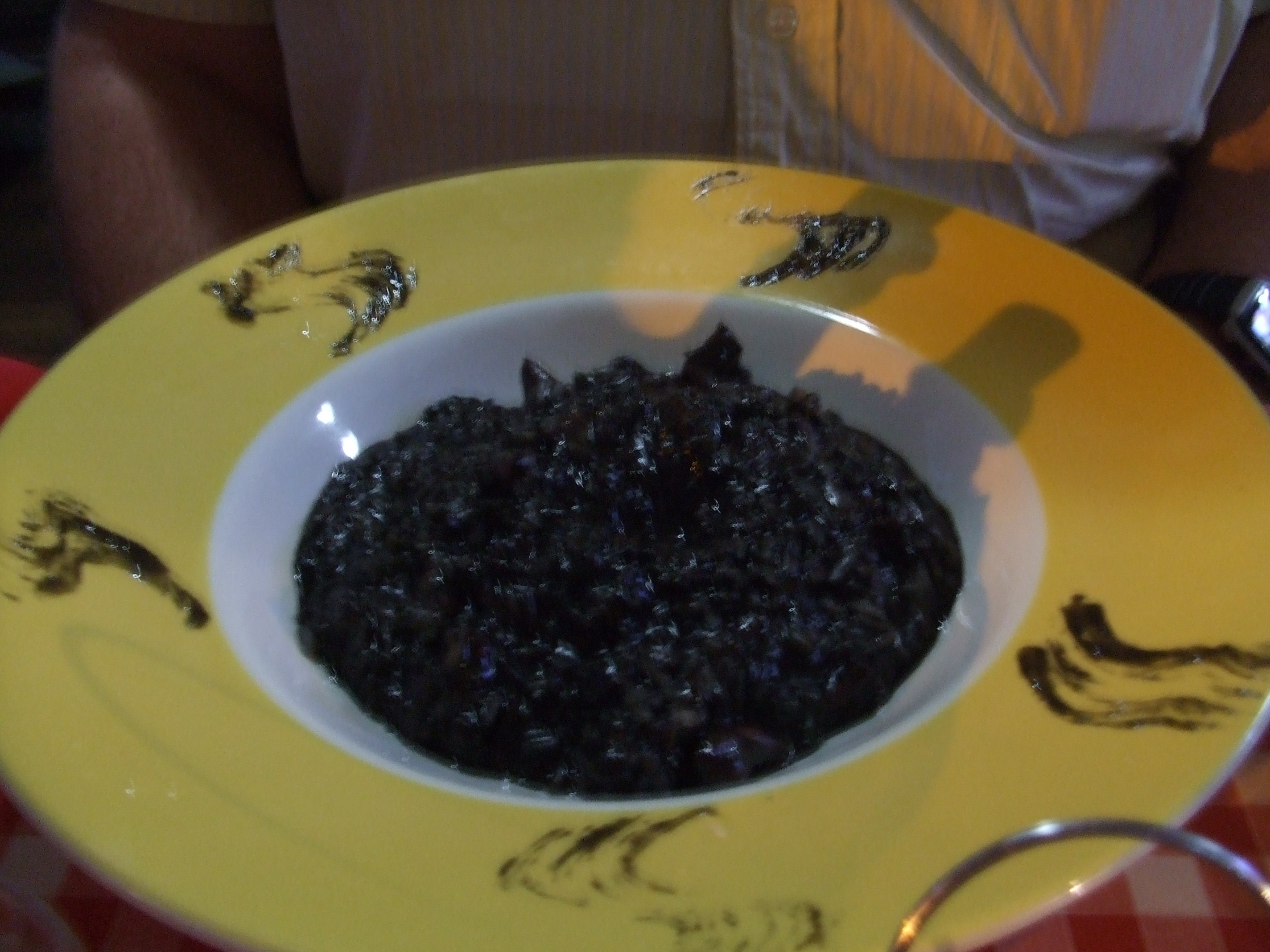
Few dishes cause as much surprise at first sight as black risotto. When it is first set before you in a Dalmatian tavern — a plate of rice black as night — you pause for a moment. But the very first bite dispels every doubt: behind that unusual colour hides one of the deepest, fullest flavours of the whole of Croatian cuisine, a flavour that is the pure essence of the sea. It is no accident that many consider black risotto the "black gold" of the Adriatic.
The risotto gets that recognisable colour and that characteristic, salty, umami flavour from cuttlefish ink — the ink that the cuttlefish (or squid) hides in a tiny sac. That ink is not merely colour; it is the secret seasoning that gives the dish a velvety texture and a deep aroma of the sea. In this recipe we will go through the whole process of making a real Dalmatian black risotto, from cleaning the cuttlefish to the last spoonful of butter that gives it its creaminess.
 Black risotto, a Dalmatian delicacy the colour of night. Photo: Wikimedia Commons (source file)
A dish with Adriatic roots
Black risotto is part of the shared Mediterranean heritage — a similar one is made in Italy, Spain and other Mediterranean countries — but in Croatia it has taken on its recognisable, Dalmatian character. Its roots lie along the Adriatic coast, where the sea and its fruits have always been the heart of the local cuisine.
It was born of a simple but ingenious idea: to use the whole cuttlefish, including its ink, which would otherwise be thrown away. And so a dish arose that combines the thrift of the fisherman's kitchen and the refinement of flavour. Today black risotto is made all over Croatia, but its home remains the coast — from Istria, through Dalmatia, to Dubrovnik — where it is best made precisely in the small, family taverns.
Why the ink is so special
Cuttlefish ink is not just a natural dye. It is rich in substances that give the dish a pronounced umami — that deep, salty, "meaty" flavour of the sea that keeps bringing you back to black risotto. In addition, the ink gives the risotto a thick, velvety texture and that recognisable creaminess.
The blacker the risotto, the more intense and "sea-like" its flavour. That is why experienced cooks never skimp on the ink — if the cuttlefish does not have enough, ink bought separately (in small sacs) is added. It is precisely that balance between the delicate risotto and the strong, salty aroma of the sea that makes black risotto so irresistible.
Cuttlefish or squid?
Classic black risotto is made from cuttlefish, which is larger, meatier and yields more ink than squid. But an equally good risotto can be made from squid, which is softer and cooks faster. The key is that the seafood be fresh and well cleaned, and the ink sac preserved.
If you clean the cuttlefish yourself, be careful when removing the ink sac not to pierce it too early. The easiest thing is to ask the fishmonger to clean the cuttlefish for you and set the ink aside separately. What follows is a tested recipe for a creamy Dalmatian black risotto.
Ingredients
For 4 people:
- 600–700 g cleaned cuttlefish (or squid), cut into pieces
- cuttlefish ink (sacs); if needed, 2–4 additional ink sacs
- 300 g risotto rice (arborio or local round rice)
- 1 large onion, finely chopped
- 3–4 cloves of garlic, chopped
- 1 bunch of fresh parsley, chopped
- 1.5–2 dl white wine
- about 1 l fish (or vegetable) stock, hot
- 4–5 tablespoons olive oil
- 1 tablespoon butter (for the end)
- salt and freshly ground pepper
- optional: 1 tablespoon tomato paste
Preparation
- Prepare the cuttlefish. Cut the cleaned cuttlefish into smaller pieces or strips. Set aside and keep the ink sacs.
- Fry the onion. In a wide pot over low heat sauté the chopped onion in olive oil until it softens and turns translucent, but does not brown.
- Add the cuttlefish. Add the pieces of cuttlefish and sauté for about ten minutes, until they release their liquid and soften. Then add the garlic, part of the parsley and, if you like, a tablespoon of tomato paste.
- Deglaze with wine. Add the white wine and let the alcohol evaporate and the liquid reduce a little.
- Add the rice. Stir in the rice and briefly mix so it is coated with the flavours and oil.
- Stir in the ink. Add the cuttlefish ink (and extra sacs if you want a darker, more intense risotto) and stir well so the rice takes on an even black colour.
- Cook while adding stock. Gradually add the hot stock, ladle by ladle, stirring constantly, adding a new one only when the previous has been absorbed. Cook for about 15–18 minutes, until the rice is creamy and "al dente".
- Finish with butter. Take off the heat, stir in a tablespoon of butter and the remaining parsley, and salt and pepper to taste. Cover and let it rest a few minutes before serving.
Tips for perfect black risotto
- Stir constantly and add the stock gradually — that is the secret of the risotto's creamy texture.
- The rice must stay "al dente" — cooked, but with a slight resistance in the centre; overcooked rice loses its character.
- Watch the salt — the fish stock and the ink are already salty, so salt only at the end, after tasting.
- Butter at the end (the "mantecatura" step) gives the risotto that refined, glossy creaminess; do not skip it.
What to serve with it
Black risotto goes best with a glass of fresh, cold white wine — Dalmatian pošip, malvasia or graševina. It is served hot, on its own, sometimes garnished with a sprig of parsley or a slice of lemon. Although some restaurants offer it with grated parmesan, many purists believe the richness of the sea's flavour needs no addition.
With black risotto, be sure to prepare plenty of napkins too — its dark colour likes to leave a mark on lips and teeth, which is part of the charm and always a good subject for laughter at the table.
The most common mistakes
The most common mistake with black risotto is overcooking the rice — the moment it turns mushy it loses that desirable texture, so it is important to take it off the heat while still "al dente". The second trap is rushing the stock: if you add all the liquid at once, the rice cooks unevenly and the risotto will not be creamy. Add it gradually and stir patiently.
Also, many skimp on the ink out of caution and get a pale grey, tepid risotto with no character — the true colour and flavour require enough ink. And finally, do not forget to taste before you salt; both the stock and the ink already carry salt, so it is easy to overdo it. With a little care, you will get a risotto worthy of any Dalmatian tavern.
Variants along the coast
Like every great dish, black risotto has its variants. In Istria it is often made a little lighter, with more wine and less tomato, while Dalmatian taverns love a stronger, darker risotto with larger pieces of cuttlefish. Some cooks add other seafood too — mussels, prawns or octopus — turning it into a lavish seafood risotto in black attire.
There is also a "white" relative of this dish: a cuttlefish risotto without ink, of milder appearance and flavour, for those for whom the black colour is too great a challenge. And the boldest go a step further and use the ink in pasta or homemade gnocchi too. Still, a classic remains a classic — the creamy, deep-black cuttlefish risotto, as it has been made for centuries in the kitchens along the Adriatic, best tells the story of the sea on a plate.
Conclusion
Black risotto is a dish that demands a little courage but rewards generously. Behind its unusual, almost dramatic colour hides the pure, deep essence of the Adriatic — a flavour that in a single bite carries you to a Dalmatian waterfront, amid the scent of the sea and the sound of the waves. Make it for someone you want to surprise, pour a glass of cold white wine and enjoy one of the most original and striking dishes of the Croatian coast. The black gold of the Adriatic deserves a place on every table.