Sarma: the winter queen of the Croatian table
When it turns cold, when Christmas and New Year draw near and the family gathers around the table — in continental Croatia the air smells of sarma. Rolls of sauerkraut filled with minced meat and rice, arranged in a large pot with cured meat and sausages, simmer for hours until the house fills with that warm, sour-and-smoky smell that for many means: the holidays have arrived. Sarma is not just a dish; it is an institution, a measure of a host's honour and the subject of endless family debates over whose is better.
Its special quality is also that it is best only on the second or third day, reheated — which is why a "big pot" is always cooked, so there is enough for tomorrow and the day after. In this recipe we present the classic Croatian sauerkraut sarma, along with all the tricks for tender leaves, a juicy filling and that thick, smoky base without which sarma is not sarma.
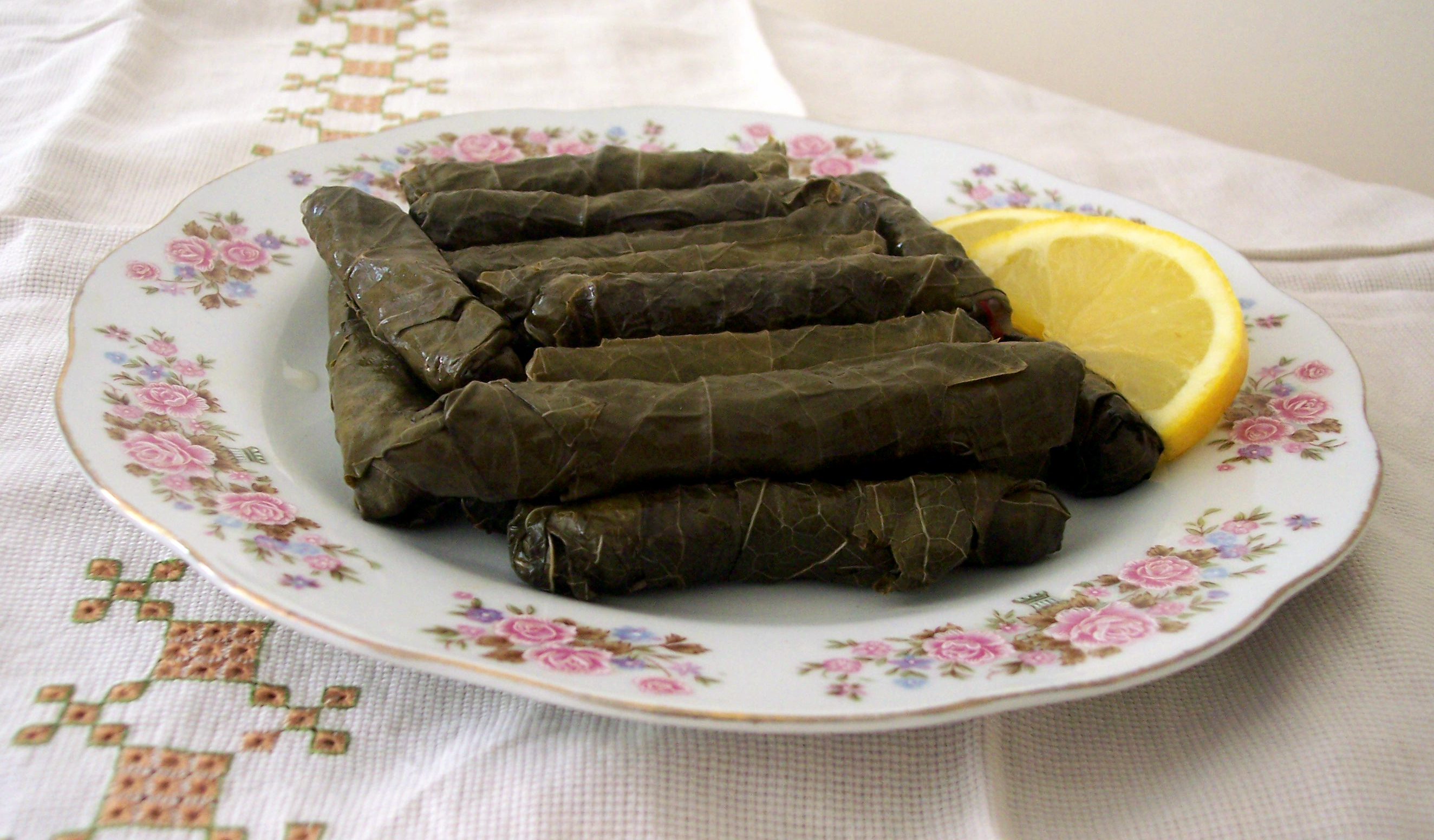
 Sarma, sauerkraut rolls with a meat filling. Photo: Wikimedia Commons (source file)
A dish with a long journey
Sarma is a dish with a great past and an even greater map. Its name comes from Turkish (from the word for "to wrap"), and it reached these lands in Ottoman times, spreading across the Balkans and Central Europe. Every cuisine adapted it to itself: somewhere it is wrapped in vine leaf, somewhere in chard, but in Croatia and the surrounding countries sauerkraut won — and that pickled in whole heads, whose leaves become a perfect, elastic wrapper.
In Croatian homes sarma long ago lost any "foreign" ring and became one of the most homely dishes — obligatory on the Christmas and New Year table, at weddings and wakes, in student canteens and the best inns. It is a shared heritage of the whole region, and every family guards its own version as a little sacred thing.
The secret is in the cabbage and the base
Two things separate a superb sarma from an average one. The first is the cabbage: the leaves must be from a well-pickled, whole head — sour enough to give character, soft enough to roll nicely, but not overcooked. If the cabbage is too sour or too salty, the leaves are briefly rinsed in cold water.
The second secret is the base: sarma is cooked not in water but on a bed of chopped sauerkraut, with cured meat — ribs, ham hock, sausages — which gives the dish depth and a smoky note. There is also a roux, or at least a spoonful of red paprika that gives the sauce a nice red colour. And finally: time. Sarma simmers slowly and long, and its true peak comes only with reheating.
Ingredients
For 6–8 people (about 20 sarma):
- 1 larger head of sauerkraut (whole, pickled) — about 20 leaves
- 500 g additional sauerkraut, shredded, for the base
Filling:
- 700 g mixed minced meat (pork and beef)
- 100 g rice
- 1 onion, finely chopped
- 2 cloves of garlic, chopped
- 100 g dry bacon or pancetta, finely cut (optional)
- 1 egg
- 1 teaspoon sweet red paprika, salt, pepper
Base and cooking:
- 400–500 g cured meat (dry ribs, a piece of ham hock)
- 2 dry sausages (optional)
- 1 bay leaf, a few peppercorns
- 1 tablespoon oil or lard, 1 tablespoon flour and 1 teaspoon red paprika (for the roux)
Preparation
- Prepare the leaves. Carefully separate the leaves from the head of sauerkraut and cut off the thickened part of the central rib (so they roll more easily). If they are too salty, rinse them briefly.
- Mix the filling. In a little oil briefly fry the onion (and bacon), then, cooled, stir it into the minced meat along with the rinsed rice, garlic, egg, paprika, salt and pepper. Combine the mixture well with your hands.
- Roll the sarma. On the lower part of each leaf place a spoonful or two of filling, fold in the sides and roll up tightly. Press the ends into the roll with a finger so the sarma does not open.
- Assemble the pot. Cover the bottom of a large pot with half the shredded cabbage, arrange the sarma in a circle, tuck the cured meat and sausages between them, then cover everything with the rest of the shredded cabbage. Add the bay leaf and pepper.
- Pour in and cook. Add just enough water for everything to be barely covered. Bring to the boil, then reduce to the lowest heat and simmer covered for 2–2.5 hours. Do not stir the pot — only shake it occasionally.
- Roux. Near the end make a light roux of lard, flour and red paprika, thin it with a little liquid from the pot and pour it back in. Simmer a further 15 minutes or so, so the sauce thickens nicely.
- Rest (the most important step). Let the sarma rest — ideally overnight. Reheated the next day, it will be incomparably better.
Tips for perfect sarma
- Do not roll too tightly — the rice expands in cooking and needs room, otherwise the sarma splits.
- Press the ends with a finger: that little trick holds the sarma closed better than any tying.
- Do not stir with a spoon but shake the pot, as with brudet — a spoon tears the leaves.
- The cured meat is the soul of the dish; without ribs or ham hock, sarma loses half its character.
- Cook a day ahead. No Croatian dish gains as much from reheating as sarma.
What to serve with it
Sarma is served hot, with the obligatory mashed potato or homemade bread that soaks up the sauce, and, if you like, a spoonful of sour cream. With it goes a glass of fuller red wine or, by continental custom, a good graševina. Before the sarma a clear noodle soup is often served, and afterwards — if anyone still can — orehnjača or makovnjača.
It is a dish for large gatherings: a pot of sarma on the stove is a sign that the holidays are here, that the family is together and that no one will leave hungry — not today, and not tomorrow when it is even better.
The most common mistakes
The most common mistake is too little liquid or too high heat — the sarma scorches at the bottom, and the smell of scorched cabbage is impossible to save; so use the lowest heat and shake occasionally. The second is rolling too tightly: the rice swells and bursts the rolls. The third trap is too-sour or too-salty cabbage — always taste it, and rinse the leaves if needed.
Many also forget the roux with red paprika, so their sauce stays pale and thin; it is precisely this that gives sarma its recognisable colour and thickness. And most important: do not serve sarma the same day if you do not have to. Sarma cooked today and eaten tomorrow — that is a difference everyone at the table will notice.
Conclusion
Sarma is a dish of patience and abundance — a symbol of winter, holidays and a full table in continental Croatia. Its preparation takes time, but the reward is a pot that feeds the family for days and a smell that turns the home into a holiday. Make it a day ahead, serve it with mash and cream, and do not forget the most important rule: there is never too much sarma, because reheated it is — everyone will agree — always the best.