Sinj arambaši: the sarma of the town of the Alka
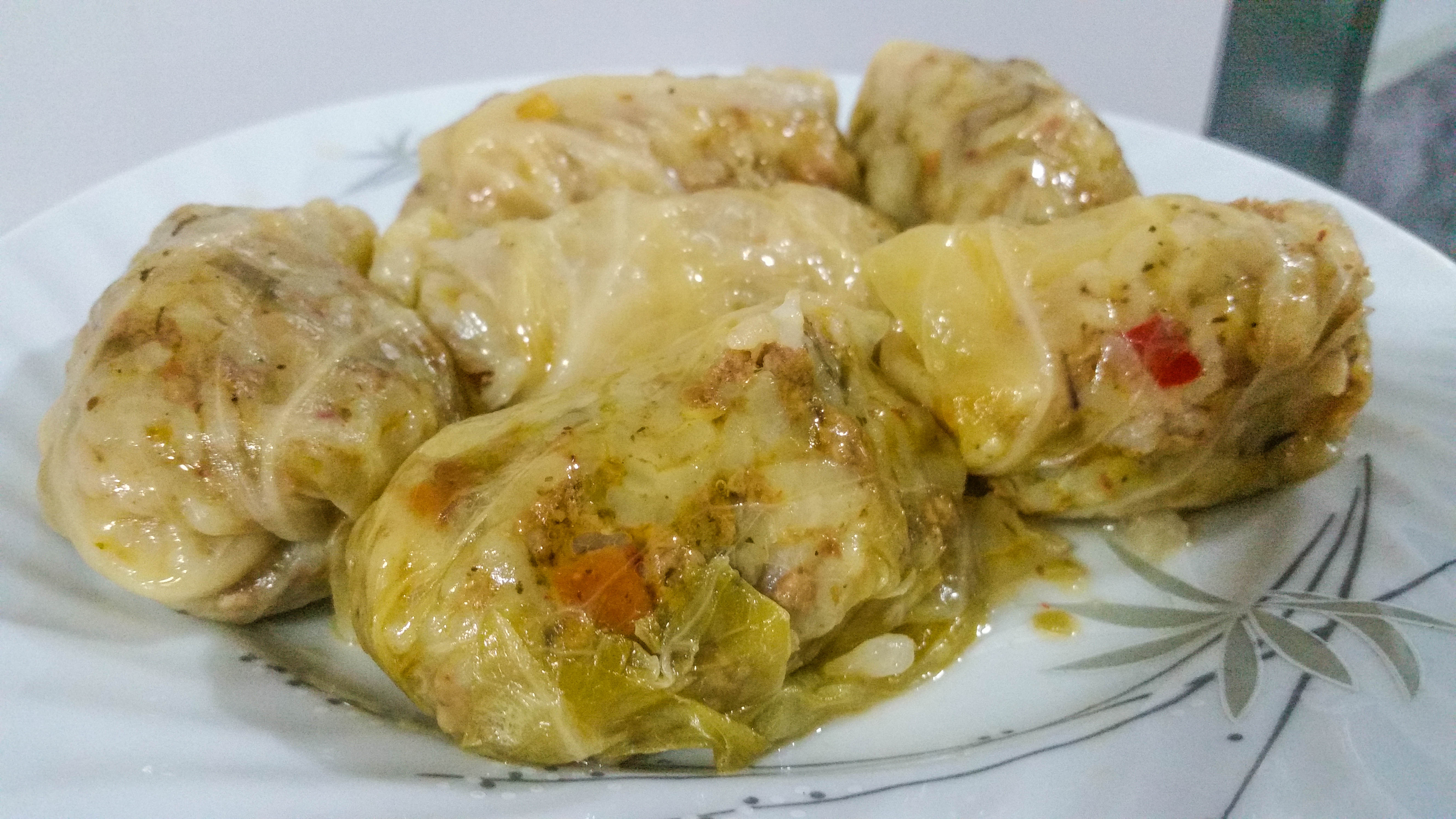
At first glance — sarma. At the first bite — something entirely different. Sinj arambaši, the pride of the Cetina region, look like relatives of sarma, but three great differences separate them: the meat is cut with a knife, not minced; there is no rice in the filling; and they are seasoned with spices unthinkable in ordinary sarma — cinnamon, clove, nutmeg and lemon zest. The result is a dish of lavish, almost Oriental aroma, and yet deeply of Sinj, firmly tied to the Alka, the Feast of the Assumption, Christmas and all the great days of the town of the Alka.
The way Sinj arambaši are prepared is inscribed on the list of protected intangible cultural heritage of Croatia — a recognition that confirms what the people of Sinj have always known: that their arambaši are not merely a variant of sarma but a distinctive dish with its own history, rules and pride. In this recipe we present the classic arambaši, along with the story of the outlaws they are named after.
 Little sauerkraut rolls, as Sinj arambaši also are. Photo: Wikimedia Commons (source file)
A dish of outlaws and knights
The story of the name arambaši reaches back to Ottoman times. The people of Sinj, like the rest of the region, learned the technique of stuffing sauerkraut through the Ottoman east — but they reworked the borrowed dish in their own way and named it after the harambaša, an outlaw leader, a symbol of the Sinj people's resistance to the Turks. Tradition also says that the little rolls, tightly arranged in earthenware vessels, looked like ranks of soldiers — an outlaw company in a pot.
That warrior symbolism lives on today: arambaši are the indispensable dish of the festive lunch accompanying the Sinj Alka, a knightly tournament celebrating the defence of Sinj against the Turks in 1715, and the Feast of Our Lady of Sinj, Christmas and Easter. In Sinj they say with pride that there is no proper feast without arambaši — and that every house guards its own recipe, with the odd secret addition never revealed outside the family.
How they differ from sarma
Three things are sacred to Sinj arambaši. First: the meat is cut with a knife into small pieces, never minced — that way it keeps its juices and gives the filling a texture minced meat cannot. Second: there is no rice or other grains; the filling is pure meat with bacon, onion and spices. Third: the spices — cinnamon, clove, nutmeg and grated lemon zest give the arambaši that recognisable, slightly sweet aroma by which they are remembered (with caution: do not overdo the clove!).
In addition, cured meat goes generously into the pot among the arambaši — pieces of prosciutto, pancetta, dry pork neck or homemade sausage — which gives the dish depth and a smoky note. All of this simmers for hours on a base of shredded sauerkraut, best in an earthenware vessel, over low heat or in the oven.
Ingredients
For 6–8 people (20–25 arambaši):
Filling:
- 1 kg mixed meat: beef (the majority), veal and pork — finely cut with a knife
- 150 g smoked bacon (pancetta), finely cut
- 2 onions, finely chopped
- 4–5 cloves of garlic, pressed
- half a bunch of parsley, chopped
- grated zest of 1 lemon
- a pinch of nutmeg and a pinch of cinnamon
- salt, pepper
Pot:
- 1 large head of sauerkraut (leaves) + 500 g shredded sauerkraut
- 300–400 g cured meat (prosciutto ends, pancetta, dry pork neck) and 1–2 dry sausages
- 2 tablespoons lard or oil, 1 tablespoon tomato paste
- 2–3 cloves, 2 bay leaves, peppercorns
Preparation
- Make the filling. Mix the cut meat with the bacon, onion, garlic, parsley, lemon zest, nutmeg, cinnamon, salt and pepper. Cover and leave one hour in the fridge so the aromas mingle.
- Prepare the leaves. Take the leaves off the head of sauerkraut and, with a knife, thin the thickened rib at the base. Rinse over-salty leaves briefly.
- Roll the arambaši. On each leaf place a spoonful of filling and roll up tightly, pressing the ends in with a finger. Arambaši are traditionally smaller than sarma — the size of a large mouthful.
- Assemble the pot. Cover the bottom of a greased (best earthenware) vessel with half the shredded cabbage. Arrange the arambaši in a circle, tightly "like soldiers", and tuck pieces of cured meat and sausage between them.
- Cover and season. Cover with the rest of the shredded cabbage, add the cloves, bay leaves and peppercorns, and the tomato paste stirred into water. Add just enough water to cover everything.
- Simmer long. Cook covered over the lowest heat for 2.5–3 hours — or in the oven at 150 °C for an hour and a half to two hours. Do not stir; only shake the vessel occasionally.
- Rest. Let them rest for at least half an hour — but a true person of Sinj will say: until tomorrow. Reheated, arambaši are at their peak.
Tips for perfect arambaši
- Cut, do not mince — that is the difference between arambaši and sarma; patience with the knife pays off many times over.
- Be careful with the clove: two or three in the pot are enough; excess takes over the whole dish.
- Do not skip the cured meat — without prosciutto and pancetta arambaši lose half their soul.
- An earthenware vessel gives the best result; in it the heat spreads evenly and gently.
- Roll tight and small: smaller, compact arambaši hold their shape and arrange more nicely "in companies".
What to serve with them
Arambaši are served hot, with homemade bread or pura (polenta) and, if you like, a spoonful of sour cream. With them goes a glass of fuller red wine, and before the meal — in the Sinj way — a shot of herbal brandy. At the festive lunch accompanying the Alka, arambaši are preceded by soup and followed by the traditional Sinj cake and coffee.
Like sarma, arambaši are cooked in large quantities — because the next day they are better, and the people of Sinj know that, once the pot begins to smell, guests are never in short supply.
The most common mistakes
The greatest sin is to mince the meat — you would get sarma, not arambaši; the texture of cut meat is the foundation of the dish. The second mistake is overdoing the spices: cinnamon, clove and nutmeg should be a gentle background, not the main voice — especially the clove, which quickly takes over the pot. The third is haste: arambaši demand hours of quiet simmering so the meat softens and the aromas bind.
Watch the cabbage too — rinse it if too sour or too salty, because the spices in the filling call for a balanced wrapper. And remember the Sinj rule: arambaši cooked today, eaten tomorrow — that is a difference every guest notices.
Conclusion
Sinj arambaši are proof that even a "small" difference in a recipe can create an entirely new dish — and a new tradition worthy of state protection. In them meet Ottoman technique and outlaw defiance, Dalmatian bacon and Oriental spices, the pride of the Alka and the warmth of the family pot. Cut the meat patiently, season boldly but with measure, arrange your little "soldiers" in an earthenware vessel and give them time. When you reheat them the next day and serve them with pura and red wine, you will understand why Sinj celebrates nothing without arambaši.